The restaurant owner looks at the sales, and then the bottom line before closing the report.
Does this sound familiar?
The report could be completely accurate, but if those are the only two numbers reviewed the bulk of its value is being left unreviewed.
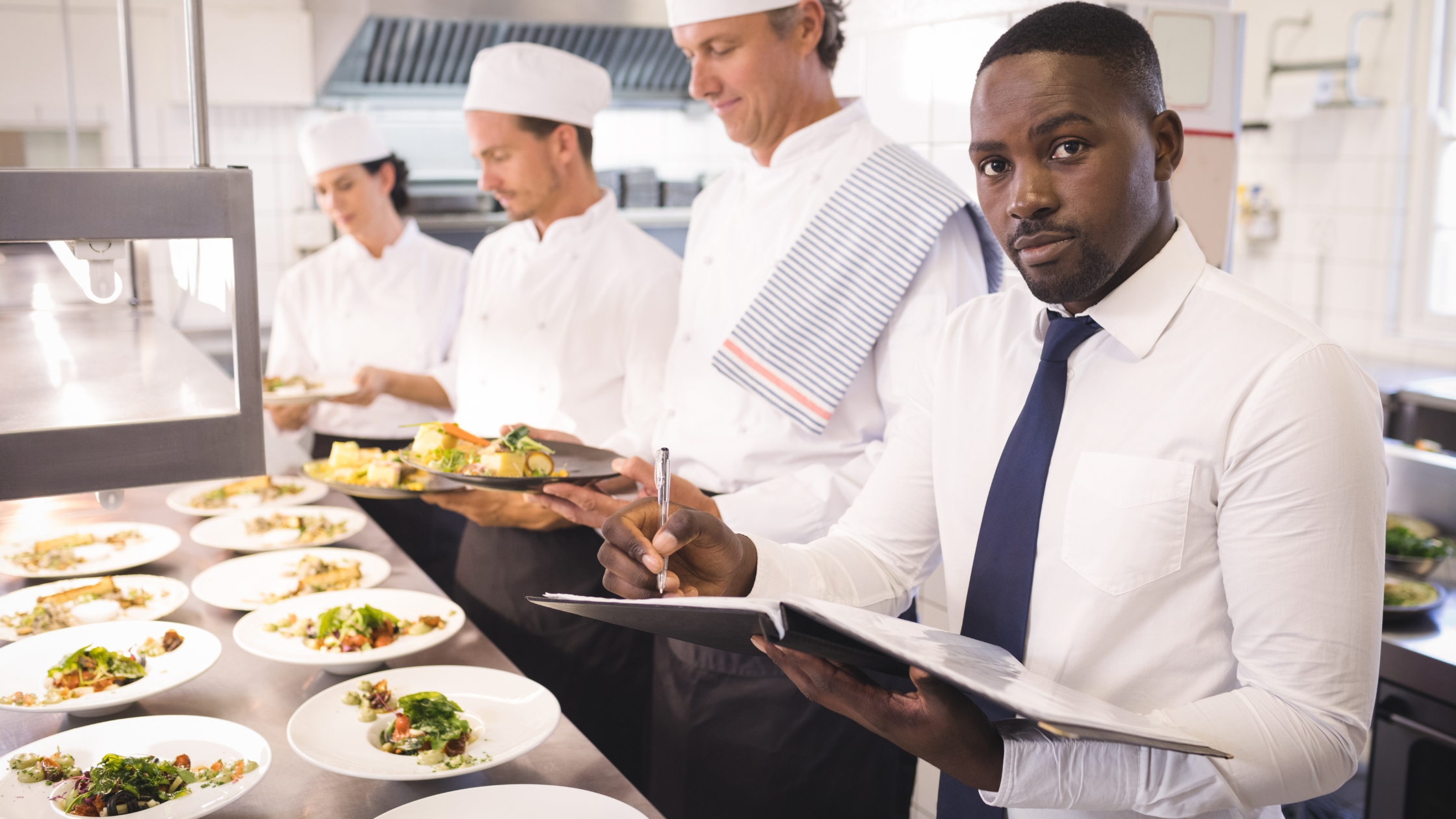
Good restaurant bookkeeping shouldn’t make owners more dependent on an accountant. It should give them confidence in their own financials. You don’t have to be an expert in accounting, or to spend in the dark completing invoices. It’s essential to know why the profit changed, what happened with food and labor and which issues require to be addressed next week.
Bookkeeping Chef is a software that automates bookkeeping, so owners can concentrate doing other things and receive better financial reports.
You should begin by looking at Weekly Numbers and Not Only Month-End
While restaurants don’t operate in a calendar month, they do require a P&L. Managers schedule labor this week. Chefs ordered food this morning. Vendors change prices now.
Bookkeeping Chef’s weekly prime-cost reports are published alongside the financial statements for the month.
Prime cost includes costs of selling goods and labor, two areas that can be swiftly moved in a restaurant. The data provided by the Bookkeeping Chef indicates that prime costs usually represent 60 percent of sales at restaurants.
Imagine a situation in which sales aren’t even changing while the prime cost is increasing. The percentage doesn’t give the solution. This gives the person in charge an excuse to do some research.
Did you notice an increase in hours working? Was there overtime? Has the cost of food changed? A vendor invoice seemed unusually large? Did the sales mix change?
This is much more valuable than discovering the same issue two weeks later.
Automate repetitive tasks
DIY bookkeeping doesn’t need to be a manual process of transferring POS (point of sale) totals into spreadsheets.
Modern restaurant bookkeeping automation can handle a significant portion of the repetitive flow of financial data. The service connects systems including POS, QuickBooks, payroll vendor platforms inventory management and recipe management, and tools for AP/payment.
The goal isn’t to automate to achieve its own ends.
This is done to reduce the manual data entry. It also keeps financial records updated so owners can focus on reviewing information, rather than gathering it.
That creates a different model of bookkeeping for restaurants. technology is able to handle more mechanics, while the owner stays engaged with the financial meaning.
P&L Questions: Learn How to Ask More Effective Questions
Stop looking at your P&L as like an accounting test.
Begin by looking at the number of sales. Look at the cost necessary to achieve those sales. Compare the food and beverage performance. Look at the cost of labor. See the work.
Comparing periods is important.
If the sales rise but the profits aren’t, there’s an alteration between them. Find out what happened within the organization in the event that food costs went up. If the labor rate changed in the past, look at sales and staffing activity. Find any data that seems odd rather than just assuming that a restaurant has had a bad week.
Bookkeeping Chef provides monthly P&Ls, which are finished in five business days. Business owners can look over the performance of their business without waiting for months to receive financial statements.
Understanding is more crucial than speed for those who are looking for solutions to bookkeeping in restaurants.
DIY Doesn’t Have to Mean Making Everything You Need
You can find a happy balance between hiring someone to manage all of your financial tasks and being your own personal accountant.
Owners can still be involved in the accounting process without having to perform every task manually.
It could involve using automated system connections to maintain information flow, reviewing a weekly prime-cost report, studying the monthly P&L, and asking questions in the event of an unexpected change.
Specialized restaurant bookkeeping can help in this manner by making sure the books are in order and assisting the proprietor to understand what they mean.
The result isn’t a owner who is skilled enough to accomplish every bookkeeping job.
Business owners who can have a conversation about their company with the P&L will be more successful.
The objective is financial freedom, not more reports
Restaurants generate a lot of data. Another dashboard may not be beneficial.
If an operator can examine the weekly prime cost report and see that something is different, they can then review their P&L to see what needs further investigation.
Bookkeeping Chef s approach incorporates restaurant accounting automation, daily reports, monthly P&Ls, and the provision of financial support for specific restaurants to make this possible.
Automate repetitive tasks. Review the prime cost each week. Learn to understand the same language as your P&L.
There is no need to become an accountant.
Owners who are familiar with the financial aspects of their restaurants can make better choices.