On the plate, a tortilla may seem like a small detail. Thin and easy to fold, it often sits unnoticed beneath whatever you put inside. Even so, your choice of wrap can shape the nutritional balance of the completed meal.
Comparing tortilla calories involves more consideration than finding the lowest energy figure. It’s whether the flatbread offers the nutritional qualities, texture, and flexibility needed for the meals you actually eat.
The Calorie Comparison Worth Looking At
A quick search for “calories wrap tortilla” often brings up products with widely different nutritional values. To give an example, Mission’s Wholemeal Wrap contains approximately 186 calories per wrap, while its Carb Balance version contains around 125 calories. Both numbers are drawn from the published manufacturer figures.
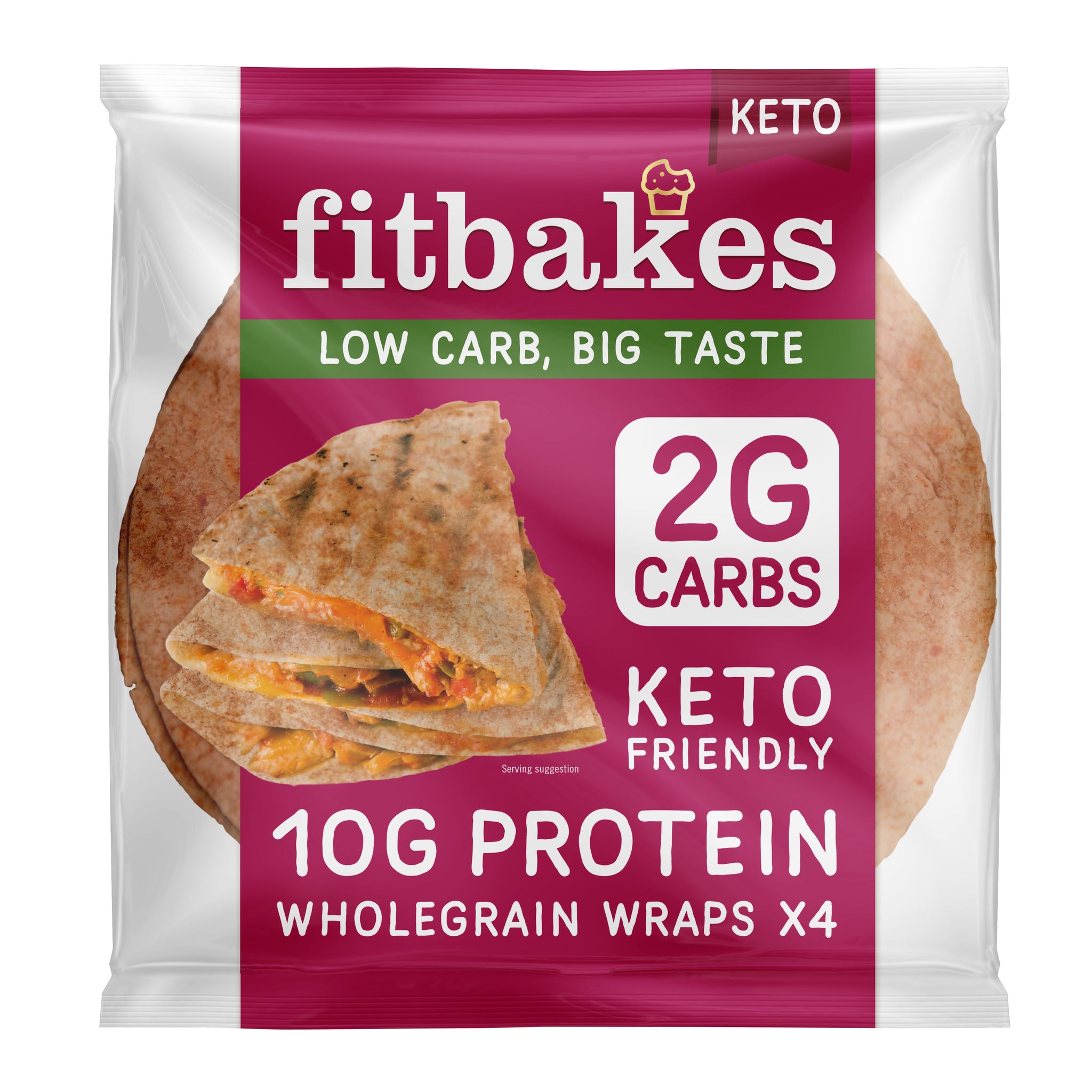
Image credit: fitbakes.co.uk
This example makes a case for looking at the actual product, in place of relying on general assumptions. Because wraps differ in size and recipe, you cannot judge their calorie content just by looking at them. Lower carbohydrate content and lower calorie content do not always go together.
Changing the wrap itself: What Changes Nutritionally
Your usual wrap might contain grilled chicken, roasted peppers, fresh salad leaves, and a spoonful of yoghurt dressing. Now replace the conventional tortilla with a lower-carb alternative. The foods used inside stay familiar while the composition of the meal changes.
That is the kind of everyday adaptability Fitbakes Wholegrain Wraps are designed to offer. According to Fitbakes, each wrap contains 2g carbohydrates alongside 10g protein and 10g fibre.
For people aiming to eat fewer carbohydrates without abandoning bread-based lunches, those manufacturer figures may be useful. Check the full product nutrition label in place of assuming an exact calorie value.
Why Protein and Fibre Are Worth Comparing
Food labels often highlight protein and fibre side by side, although they contribute differently of nutrition. Protein is an important nutrient for the body’s normal tissue upkeep. Digestive health benefits from fibre, which may also contribute to a more satisfying meal. Fitbakes lists 10g of protein and 10g of fibre per wrap, making each of these figures relevant to shoppers.
The rest of the wrap filling still matters when assessing the nutrition of your lunch. A tortilla filled with vegetables and a suitable protein source offers something different from one filled mainly with rich sauces.
How You Prepare a tortilla Affects the Final Meal
You may alter the energy content in the prepared dish through how you prepare the wrap, without buying another tortilla. Toasting without oil avoids added cooking fat, while frying a tortilla in oil contributes extra calories. For a more developed malty taste, Fitbakes suggests briefly warming and toasting its wholegrain wraps for about 30 seconds.
A simple lunch could start with a warmed tortilla filled with grilled mushrooms, spinach, and a small amount of cheese. Another option is to turn the wrap into a thin flatbread with roasted vegetables, tomato, and herbs. Neither idea demands complicated techniques, yet both provide variety.
Why the Whole Meal Matters
During a comparison of tortillas, you can become focused on the nutrition label and overlook the ingredients inside.
Dressings, cheese, spreads, and cooking fats can all influence the total energy content. If you’re monitoring energy intake, consider the entire meal rather than treating the tortilla as an isolated ingredient.
The wrap filling’s carbohydrate contribution matters too if you are monitoring carbohydrate intake. Considering both the flatbread and its filling provides a more useful picture for your food choices.
The Right Wrap Should Fit Your Routine
The best calories wrap tortilla for you should be suited to your everyday cooking, aligned with your nutritional priorities, and enjoyable. Fitbakes Wholegrain Wraps offer a plant-derived, lower-carb option with protein and fibre figures reported by the manufacturer.
An informed choice starts with reviewing ingredients and allergens, serving size, and the full nutritional label. A single small figure on the packaging does not guarantee the best tortilla for your needs. It’s the one that helps you prepare meals that suit your usual preferences.