One buyer adores the shade, yet following several hours of wear the cap no longer feels comfortable. A believable hairline is welcome, but another customer finds spending twenty minutes on lace each morning more preparation than desired. Someone else buys a beautiful unit, only to discover that the density feels heavier than expected.
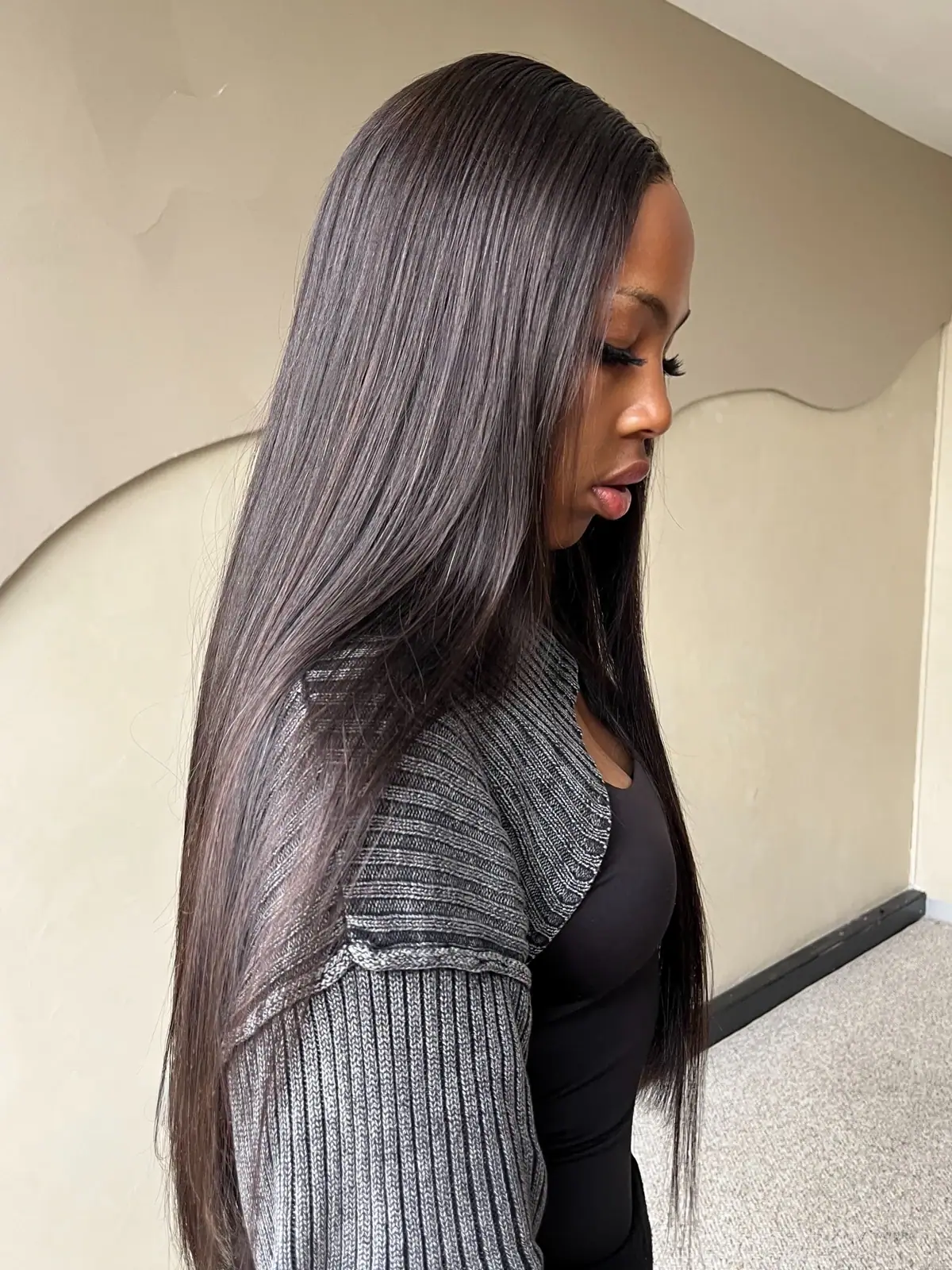
Image credit: vayorahair.com
There is more meaning in these comments than a wig business might initially see. Such observations can guide design decisions toward products that deliver a better experience for wearers.
Building a well-received range involves more than responding to the newest hair trend. What matters is learning what customers want to experience when they put on a wig.
Explore the Problems Behind the Purchase
Buyers rarely use factory-specific terms to explain what they need. They talk about comfort, convenience, appearance, and confidence. The desire to spend less effort getting ready may indicate a need for a glue-free construction. Complaints about an unnatural hairline could indicate that lace appearance, knot treatment, density, or parting design needs attention.
A human hair wig manufacturer China brands work with should be able to translate these everyday concerns into measurable product specifications.
A 22-inch body-wave description need not define the entire order. Buyers can also specify the intended wearing experience, cap fit, lace construction, hairline appearance, and finished weight. With that information, developers can focus on a clearer target.
Make Your Private Label Collection Recognizable
Rather than defining their own range, many emerging brands rely on the styles that are popular today. Such an approach can leave the brand with a range that closely resembles competitors’ offerings.
Working with a private label wig manufacturer China retailers can collaborate with allows brands to develop a more consistent product identity. The identity might be expressed through a lightweight everyday collection, a premium natural-hairline line, or ready-to-wear products intended for customers who prefer minimal preparation. Texture, length, color, density, cap construction, and packaging should support the same customer promise. A recognizable collection gives shoppers a reason to return beyond a temporary discount.
Consider More Than the Glueless Label
The straightforward label “glueless” does not capture the design details that determine the wearing experience. Cap sizing, adjustment features, attachment components, lace preparation, and hairline design all influence how comfortably and securely a wig fits.
A glueless wig manufacturer China buyers choose should help clarify these requirements before production begins. For a range intended for people purchasing their first wig, the priorities may include density that is easy to manage, pre-cut lace, and straightforward adjustments. A professional stylist’s collection might require different customization options. There is no automatic advantage for either approach. The two approaches address the needs of different customers.
Why Sampling Supports a Brand’s Reputation
There are details of a wig that cannot be assessed from an image alone. Does the cap fit properly? What is the hair movement like? Buyers also need to check whether the color meets expectations and the finished construction follows the approved design. Before a larger order is placed, sampling can help reveal differences.
When a wholesale human hair wigs supplier needs to produce a style repeatedly, written specifications and quality checks and procedures are particularly important. The success of the first batch may be challenging to replicate without well-established references.
Build a Collection That Can Grow
For B2B wig brands, retailers, and distributors, VAYORA offers assistance with product development, private label services, sampling, specification control, and repeat-production workflows. The focus is on aligning what wearers expect with the physical characteristics responsible for how the wig looks, fits, and feels.
Before adding more products, a brand should review customer feedback, determine where its strongest product opportunities lie, and set clear approval standards. The next successful collection may not require more styles. The greater opportunity may lie in making fewer compromises in the designs buyers already seek.