The cooking oil we use on a regular basis is something that most of us do not even think about. You can pick the bottle that is nearest and think it will be able to do all things. Oils react differently based on the heat, flavour and fat composition. Understanding the differences between oils is among the easiest ways to cook better at home.
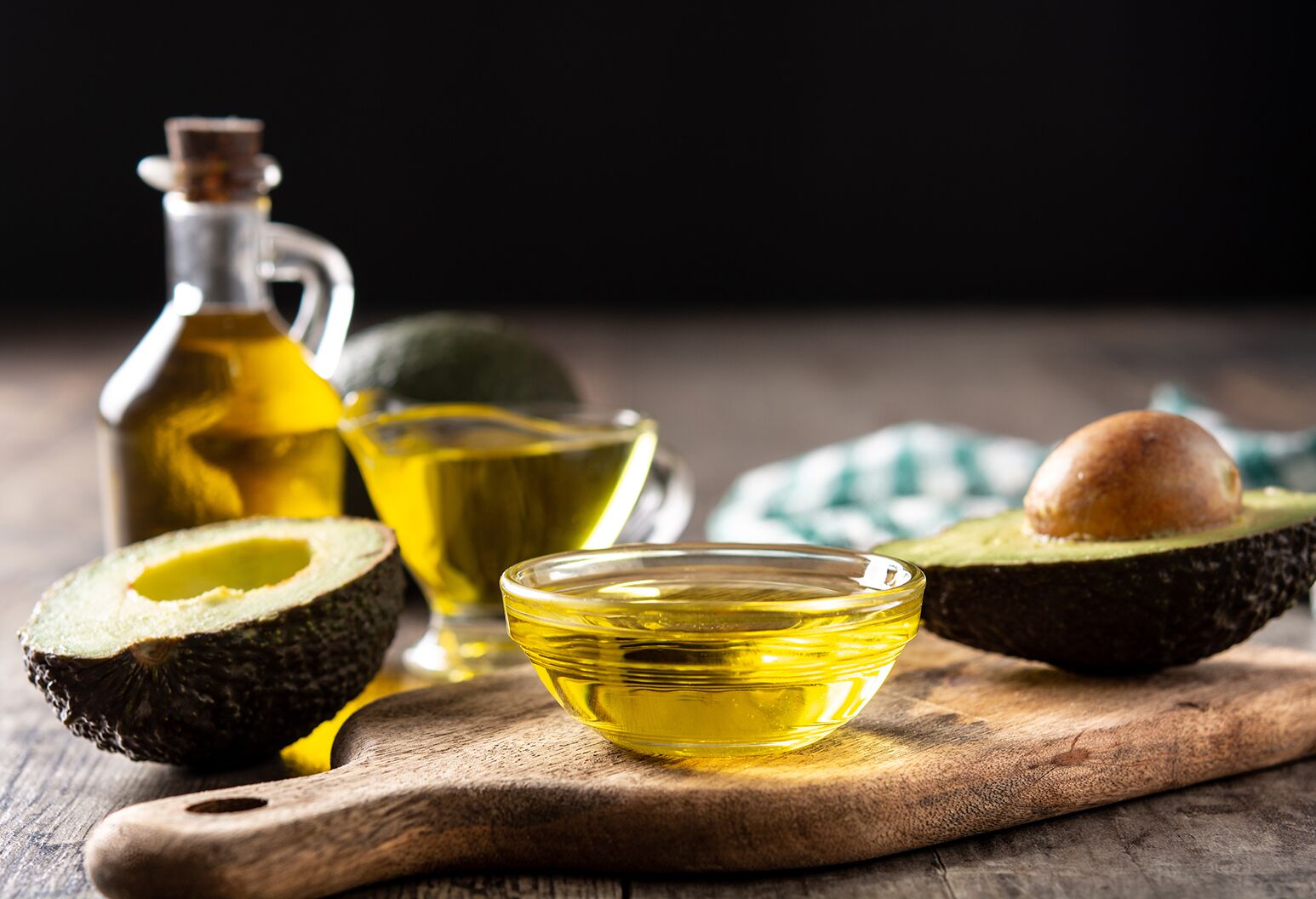
It is important to not base your choice on current trends or news headlines when selecting olive oil, avocado oil, or coconut oil. The decision should be according to the effectiveness of each oil in real cooking conditions.
Why oil choice is important more Than You Think
Cooking oil has three main roles. First, it transfers heat to food. It may be insignificant or obvious. Thirdly, it can affect nutrition, depending on the type of fat as well as its stability at temperatures that are high.
When oil gets too hot, it doesn’t just smoke it starts to break down. This can lower the nutrition value of foods items and create unsavory flavours. If you are using the wrong oil, your food can taste bitter, bland or greasy.
Olive Oil for cooking: Best Use With Care
Olive oil has been researched and is used extensively in cooking. It is made by pressing olives. It’s a good source of monounsaturated oils and antioxidants like polyphenols.
Extra virgin olive oil has a distinctive, fruity, sometimes peppery taste, sometimes peppery. This makes olive oil used for cooking a salad dressing marinades, roasted vegetables or light sauteing food preparation. In these instances it is the flavor that enhances the food instead of getting lost.
Extra virgin olive oil may not possess the same smoke points as many believe. The refined olive oil is ideal for cooking at higher temperatures. It has a milder flavour and a better heat tolerance. Therefore, it is ideal for cooking at high temperatures, baking and roasting.
When used in the right way If used appropriately, olive oil provides flavor and health benefits. However, it’s recommended that the heat is kept under control.
Coconut Oil Stable and Particular
Coconut oil is very different unlike olive oil. It’s high in saturated fat that makes it extremely resistant to heat. This stability is the primary reason people choose coconut oil for cooking.
Coconut oils that have been refined have an extremely mild flavor and are perfect for baking, frying or other uses where stability of heat is an important factor. Unrefined coconut oil has the distinctive aroma and flavor of coconut. This flavour is great in curries, desserts, and stir-fries but may also clash with other dishes.
Coconut oil shouldn’t be utilized as a primary ingredient in a day-to-day routine. It is best to only use it for occasional. Coconut oil is great at temperatures that are high, however it does not have the antioxidant properties that avocado and olive oils have.
Avocado Oil: Heat-Friendly and Neutral
Avocado oil is well-known because it can be used to manage heat. Avocado oil for cooking has one of the highest smoke points of commonly used oils, which makes it ideal for searing, roasting, grilling, and frying.
Avocado oil is higher in monounsaturated oil and vitamin E than coconut oil. This helps to make it healthier. The mild, neutral taste is an excellent option if you wish to avoid the oil affecting the flavor of food.
When cooking at high temperature, avocado oil is the safest and most suitable choice. It’s also a healthy fat.
How to Use Oils Effectively
The ideal oil for every task is not always the same. Have several oils in your arsenal and use them intentionally.
Olive oil is best used when flavour and nutrition matter. Avocado oil is ideal for high-heat cooking. Coconut oil is a good choice where heat stability and its distinctive flavor is sought after.
When you understand these differences and understanding them, you’ll be able to cook with greater consistency and less confusion.
New basics for better cooking
Cooking well doesn’t need expensive ingredients or complex techniques. It often comes down to small, well-informed choices that are made consistently.
Knowing when to make use of coconut, avocado, or olive oil in cooking can enhance your taste and texture, as well as overall confidence. Once you’ve got a good understanding of how oils perform in the kitchen, all other issues become more straightforward.
How To Use Olive Oil Properly Without Wasting Its Health Benefits
The cooking oil we use on a regular basis is something that most of us do not even think about. You can pick the bottle that is nearest and think it will be able to do all things. Oils react differently based on the heat, flavour and fat composition. Understanding the differences between oils is among the easiest ways to cook better at home.
It is important to not base your choice on current trends or news headlines when selecting olive oil, avocado oil, or coconut oil. The decision should be according to the effectiveness of each oil in real cooking conditions.
Why oil choice is important more Than You Think
Cooking oil has three main roles. First, it transfers heat to food. It may be insignificant or obvious. Thirdly, it can affect nutrition, depending on the type of fat as well as its stability at temperatures that are high.
When oil gets too hot, it doesn’t just smoke it starts to break down. This can lower the nutrition value of foods items and create unsavory flavours. If you are using the wrong oil, your food can taste bitter, bland or greasy.
Olive Oil for cooking: Best Use With Care
Olive oil has been researched and is used extensively in cooking. It is made by pressing olives. It’s a good source of monounsaturated oils and antioxidants like polyphenols.
Extra virgin olive oil has a distinctive, fruity, sometimes peppery taste, sometimes peppery. This makes olive oil used for cooking a salad dressing marinades, roasted vegetables or light sauteing food preparation. In these instances it is the flavor that enhances the food instead of getting lost.
Extra virgin olive oil may not possess the same smoke points as many believe. The refined olive oil is ideal for cooking at higher temperatures. It has a milder flavour and a better heat tolerance. Therefore, it is ideal for cooking at high temperatures, baking and roasting.
When used in the right way If used appropriately, olive oil provides flavor and health benefits. However, it’s recommended that the heat is kept under control.
Coconut Oil Stable and Particular
Coconut oil is very different unlike olive oil. It’s high in saturated fat that makes it extremely resistant to heat. This stability is the primary reason people choose coconut oil for cooking.
Coconut oils that have been refined have an extremely mild flavor and are perfect for baking, frying or other uses where stability of heat is an important factor. Unrefined coconut oil has the distinctive aroma and flavor of coconut. This flavour is great in curries, desserts, and stir-fries but may also clash with other dishes.
Coconut oil shouldn’t be utilized as a primary ingredient in a day-to-day routine. It is best to only use it for occasional. Coconut oil is great at temperatures that are high, however it does not have the antioxidant properties that avocado and olive oils have.
Avocado Oil: Heat-Friendly and Neutral
Avocado oil is well-known because it can be used to manage heat. Avocado oil for cooking has one of the highest smoke points of commonly used oils, which makes it ideal for searing, roasting, grilling, and frying.
Avocado oil is higher in monounsaturated oil and vitamin E than coconut oil. This helps to make it healthier. The mild, neutral taste is an excellent option if you wish to avoid the oil affecting the flavor of food.
When cooking at high temperature, avocado oil is the safest and most suitable choice. It’s also a healthy fat.
How to Use Oils Effectively
The ideal oil for every task is not always the same. Have several oils in your arsenal and use them intentionally.
Olive oil is best used when flavour and nutrition matter. Avocado oil is ideal for high-heat cooking. Coconut oil is a good choice where heat stability and its distinctive flavor is sought after.
When you understand these differences and understanding them, you’ll be able to cook with greater consistency and less confusion.
New basics for better cooking
Cooking well doesn’t need expensive ingredients or complex techniques. It often comes down to small, well-informed choices that are made consistently.
Knowing when to make use of coconut, avocado, or olive oil in cooking can enhance your taste and texture, as well as overall confidence. Once you’ve got a good understanding of how oils perform in the kitchen, all other issues become more straightforward.
Recent Post
How To Use Olive Oil Properly Without Wasting Its Health Benefits
Read More »The Evolution Of 3D Modeling: From Manual Sculpting To Instant AI-Powered Generation
Read More »Why Renting A Boat In Vero Beach Feels Like A Mini Vacation, Even On A Weekend
Read More »Searching For A Severance Pay Lawyer Near Me: How To Evaluate Experience, Fees, And Case Strategy
Read More »Why Modified Silicone Chemistry Changed The Way Professionals Think About Sealants
Read More »Testosterone Therapy In Modern Medicine: From Hypogonadism Treatment To Hormone Optimization
Read More »What Really Determines The Lifespan Of A Roofing System
Read More »Focus Over Force: How Energy Pouches Support Long Mental Work Blocks
Read More »How To Choose The Right Custom Driveway Gate For Security And Style
Read More »How Jet Ski Rentals Let You Explore Anna Maria Island Beyond The Shoreline
Read More »Top Category