Edge computing was viewed as costly and complicated for a lengthy period of time. It was usually reserved for large enterprises with sophisticated hardware. However, this perception is changing. Businesses all over the UK have found that adaptable systems with low cost can yield impressive results without the need for excessive complexity.
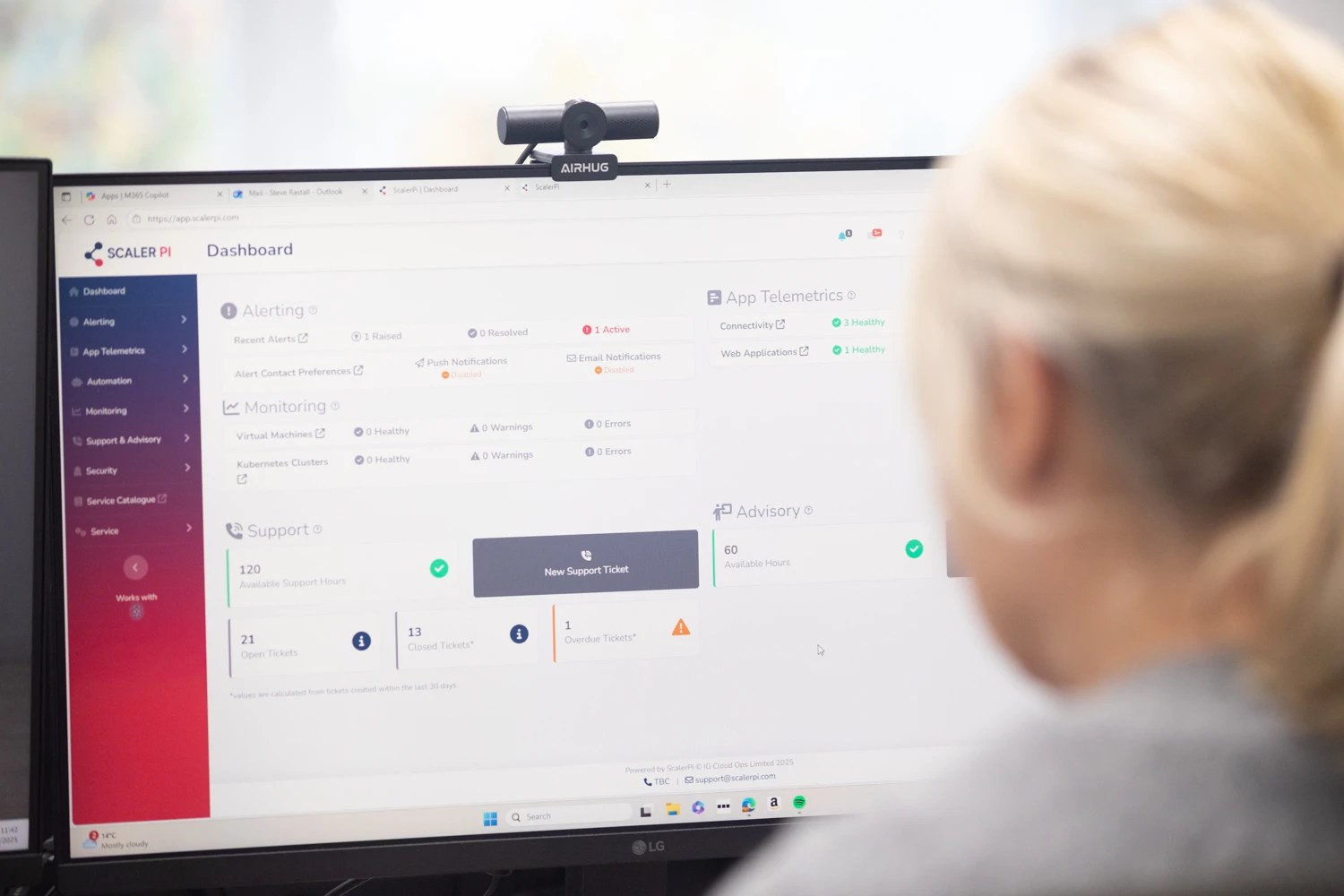
In the middle of this transformation is the rising of platforms that combine the simplicity of a platform with the ability to scale. An edge computing solution UK companies can rely on now looks very different from traditional setups. To avoid relying on centralized servers, businesses are shifting their processing closer to where data is produced.
This new shift increases speed, decreases latencies and allows for real time decision-making.
Small Devices to Enterprise Systems
The Raspberry Pi has come a long way from its early image as a tool for learning. What was once considered a device for the hobbyist is now being used for real-world infrastructure in sectors like manufacturing, logistics, smart environments and more.
ScalerPi is an application that allows companies to transform one unit into part of a larger integrated system. The Raspberry Pi cluster production use model lets multiple units be integrated, creating an efficient distributed system capable of handling complex workloads.
The method allows for scaling from simple prototyping to thousands of devices working together.
Kubernetes at the Edge
Modern infrastructure is based on orchestration tools as well as containerized applications. Kubernetes is now a common method for managing these environments however running it on the edge poses new problems.
On-premise kubernetes solutions let you to control your environment, while also enjoying the flexibility that container orchestration provides. Instead of completely relying on cloud-based providers, companies can manage and deploy their own systems locally.
This balance lets organizations adapt their infrastructure to particular operational needs. ScalerPi is able to bridge the gap mixing modern software practices and hardware knowledge, making the most advanced deployments much more simple.
What is the reason Data Sovereignty Gains importance
As the regulations around data get more complex, businesses are paying more attention to where their data is stored and processed. In many instances using cloud providers that are not internal providers can raise concerns about compliance and control.
UK organisations can implement the concept of a sovereign cloud in order to keep information within the borders of the country while maintaining efficiency. This approach ensures that sensitive data is protected and kept within the local laws.
Integrating edge computing in a sovereign infrastructures can allow companies to gain flexibility and accountability. Data is stored closer to the point of origin while still being managed within the confines of a controlled environment.
Making deployments simpler
One of the most difficult issues in edge computing is managing large quantities of devices. As deployments grow the difficulty increases to maintain consistency, security and performance.
ScalerPi addresses this by offering an all-stack solution that incorporates hardware supply, device management as well as consultancy. This integrated approach cuts down on complexity, allowing teams to focus more on the applications than the infrastructure.
Edge computing solutions that UK businesses can rely on do not require constant monitoring. Instead, it must offer instruments that automatize procedures, track performance and ensure that reliability is maintained across all devices.
Building Systems that Scale with confidence
Growing from a single prototype to a complete production facility requires a meticulous plan. Each step presents new challenges, ranging from selecting the hardware to software integration and ongoing maintenance.
By creating a standardized framework for expansion and development, an Raspberry Pi production cluster use strategy can make the change easier. Devices can be added and changed without affecting the framework, allowing businesses to expand at their own speed.
This flexibility is particularly valuable for businesses that are trying out the latest technologies or attempting to enter new markets.
Future driven by flexibility and Control
Future infrastructures will continue to be flexible, flexible and effective. Companies don’t want to be limited to rigid solutions that limit their creativity.
Solutions like a Kubernetes-based on-premise solution or a UK sovereign solution for the cloud give organizations greater control over information and operations. These technologies, when combined with the scalability, flexibility and adaptability of Raspberry Pi clusters, provide the foundation for the long-term growth.
Edge Innovation: Moving Forward through Edge Innovation
Edge computing is not an innovative concept it is a solution to modern challenges. Combining low-cost hardware with sophisticated software allows companies to build strong systems.
ScalerPi helps businesses bridge the gap between physical and cloud computing. It makes edge computing available to all businesses through a thoughtful design, reliable deployment and a flexible architecture.
As more companies investigate the possibilities of distributed systems, the ability to scale effectively and safely will determine the success of their business in the years ahead.